
Drones have been employed in a wide range of industries ranging from environmental monitoring to filmmaking and construction. These precision instruments are not just a hobbyist gadget. They are equipped with the latest technology. These innovations include drone Gimbals (which are a kind of drone) and drone thermal cameras and drone LiDAR. They have changed how we view our surroundings and collect information. This comprehensive guide will explain the significance of these advanced technology.
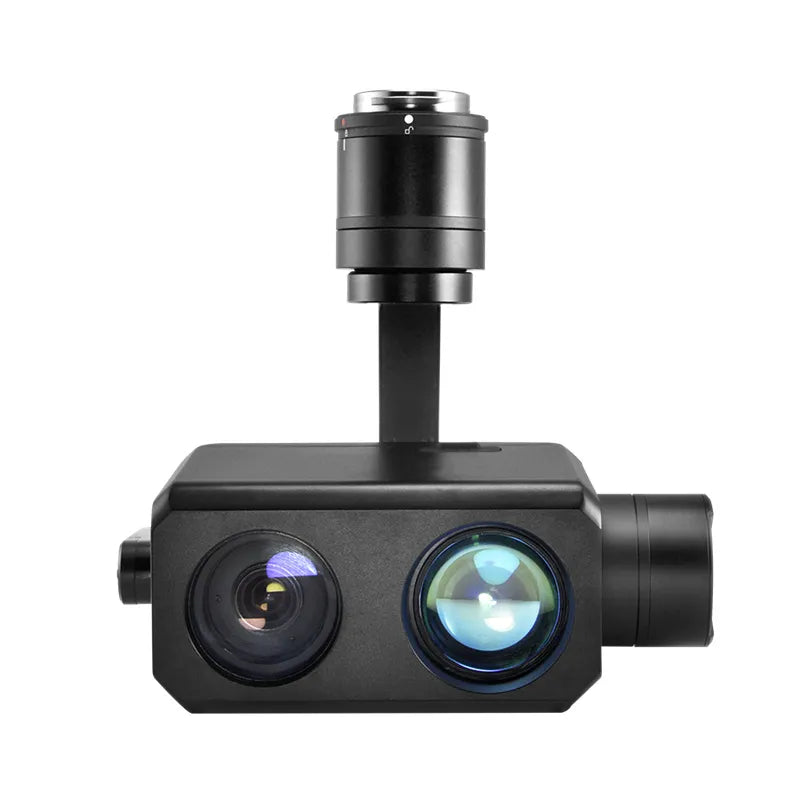
Image credit: rcdrone.top
Gimbal Cameras: The Backbone of Stable Aerial Imaging
A gimbal camera is a game-changer in drone technology. It’s not just important to take stunning aerial photos, but also that each frame is smooth and stable. Gimbal cameras utilize a motorized stabilization mechanism that compensates for drone movement as well as vibrations and other environmental disturbances like wind. This makes sure that the camera is stable, even in challenging conditions.
Modern gimbals are able to provide unparalleled control because of their three-axis stabilization. When you’re capturing cinematic shots, or inspecting the infrastructure the ability to tilt and roll your camera in a precise manner will enhance the quality of your pictures. Advanced gimbals camera models are equipped with high-resolution sensors as well as adaptive lenses that allow operators to adjust focus and zoom.
Drone Gimbal: Enhancing Drone Performance
The drone gimbal is the mechanical marvel that holds the camera on gimbal. It offers professional applications the stability and flexibility they require. Even the most sophisticated cameras will struggle to deliver steady results without a quality drone.
Modern drone gimbals incorporate the latest technologies, including electronic compass and heterogeneous IMU sensor. They are built to operate in concert to combine real-time information to ensure smooth control of the camera and flight. In fields like filmmaking agriculture, surveying, or filmmaking the ability to take flawless footage as the drone navigates complicated environments is vital.
One notable aspect of the latest drone gimbals is their slim yet robust design. The gimbals are able to increase the efficiency of drones by reducing their overall weight. They combine durability, precision and efficiency and are essential for professionals.
Drone Thermal Camera is revolutionizing real-time monitoring
A thermal camera for drones opens a whole new world of possibilities, especially in applications which require monitoring and analysis in real-time. The thermal cameras differ from conventional cameras as they sense infrared light, and convert it into images. This technology is essential in tasks such as search and rescue missions and firefighting, monitoring wildlife, and industrial inspections.
Thermal cameras with high-resolution, mounted on drones, offer operators the ability to detect anomalies that aren’t visible to the naked eye. In the case of firefighting it is possible to locate hotspots in a burned structure, which allows for targeted intervention. Thermal imaging is also helpful in industrial settings to identify electrical problems or overheated machines. This helps to prevent malfunctions.
The combination of thermal cameras and drone gimbals ensures accurate and stable imaging. Modern models are equipped with high-efficiency design and flexible lenses making them a useful tool for different industries.
Drone LiDAR: Precision Mapping and Surveying
One of the most significant developments in drone technology are drone LiDAR (Light detection and Ranging). This system uses laser pulses to create detailed 3D maps and terrain models. Drone LiDAR is unique in its ability to capture precise measurements even in the most challenging conditions such as dense forests or difficult terrains.
Drone LiDAR can be particularly helpful in fields such as construction urban planning, environmental monitoring. For example, it can create accurate topographic maps of massive infrastructure projects, which allows for better planning and execution. Additionally, its slim design and integration with GNSS (Global Navigation Satellite System) and POS (Position and Orientation System) technologies enhance accuracy and reliability.
Another feature is the versatility of drone LiDAR systems. LiDAR scans provide valuable information for a variety of purposes, from environmental conservation to high-precision surveys.
Synergy between Advanced Drone Technologies
The seamless integration between gimbals and drone LiDAR systems indicates the dawn of new drone capabilities. The two technologies, when paired provide unbeatable quality, clarity, and stability. This will allow professionals to achieve more tasks in less time.
These components are likely to become more sophisticated as drones continue to evolve. Future developments may include AI-driven image processing, improved battery efficiency, and greater acceptance in fields such as healthcare and disaster management.
Drone gimbals paired with thermal cameras from drones have revolutionized drone use across industries. Drones are becoming indispensable in the current technological landscape due to their innovative technology. These sophisticated systems enable professionals to unlock new possibilities and expand the boundaries of what drones are capable of.