
When it comes to maintaining a septic system, understanding the cost involved is essential. Knowing the possible costs can allow you to budget effectively and avoid any unexpected costs. There are various factors that contribute to the septic tank replacement cost.
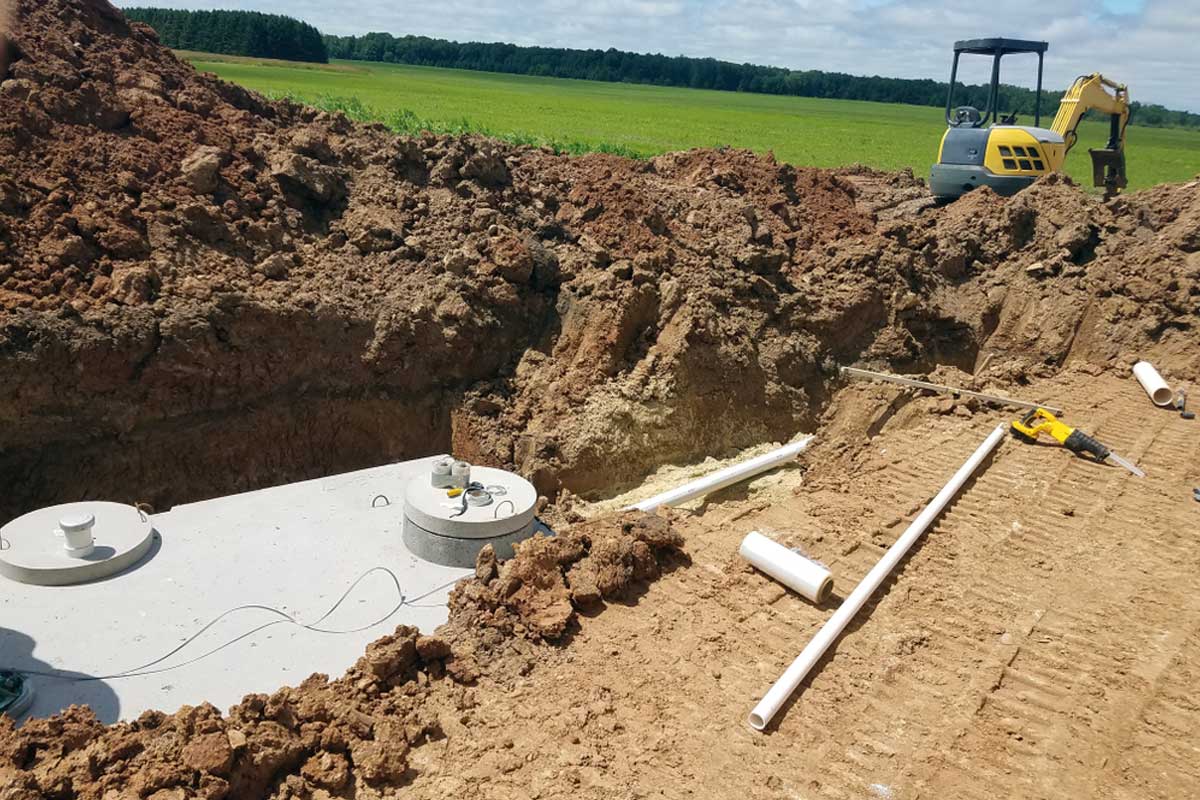
The cost of installing a leach field as well as a septic system will vary widely based upon a variety of factors. The size of septic systems is among the primary factors to think about. The larger properties or households with a greater water use will generally need larger leach fields and septic tanks, resulting in a higher overall cost. The soil conditions and topography could also influence the cost and complexity of installation. If the soil is hard to work with, it could require additional excavation or special treatments. These can increase costs.
Another factor that affects the septic system cost is the nature of the septic tank as well as the leach field system that is selected. The price of different styles and materials can vary. Concrete tanks that are traditional tend to be more affordable compared to alternative alternatives like plastic or fiberglass tanks. Additionally, advanced treatment systems or environmentally friendly alternatives may cost more however they offer other benefits like improved water and wastewater treatment.
The initial investment in a septic tank and leachfield is essential however it’s also important to factor in the maintenance and replacement expenses. The life span of a tank for septic is between 25 and 30 years depending on factors such as usage and maintenance, the materials used such as materials, etc. With time, a septic system may require repair or replaced. It is important to account for not only the tank but additionally any improvements and costs necessary to be in line with current regulations when calculating how much it will cost to replace the septic system.
The cost of replacing the septic system is affected by the type of tank and the dimensions as well as the complex the installation. It may be necessary in certain situations to take down the tank that was previously used and dispose of it properly and also prepare the area for a new installation. In addition, if there have modifications to regulations in the time since the original installation and additional expenses could be required to bring the new septic system up to code.
It is essential to keep your septic tank, and have it inspected regularly. This will help you avoid unexpected costs and ensure that the process of replacing your tank goes smoothly. Routine inspections can lead to the early identification of any potential issues which could lead to timely repairs and extend the life of the septic system. Regular pumping of the tank is necessary to prevent solids from accumulating and causing damage.
To ensure you get the best price for your septic system replacement or installation be sure to check out quotes from trustworthy contractors. Comparing estimates will give you an idea of average costs in your area and allow you to make an informed choice. Also, inquire about any warranties provided by the contractor in relation to their work or the material used.
Understanding the cost of replacing a septic tank and the overall costs of septic systems is important for homeowners and property owners. Be aware of factors like the size of your tank, the materials used, soil conditions and any costs in the future when planning for the purchase of a new septic system or tank. To ensure the longevity of your septic tank and reduce future costs, regular inspections, maintenance and appropriate maintenance are essential. Be aware that investing in a functioning septic system doesn’t just ensure that your wastewater is properly managed, but also contributes to the overall efficiency and value of your property.