
A drainage system may seem good in normal weather but a storm that is severe can reveal every weakness in the infrastructure of a home. Parking lots are flooded. Detention ponds can overflow too quickly. Access roads are dangerous. The lower areas start to gather water. In many of these instances the issue isn’t simply rainfall. It’s that the place is not equipped with the right technology to move stormwater effectively when gravity alone isn’t enough.
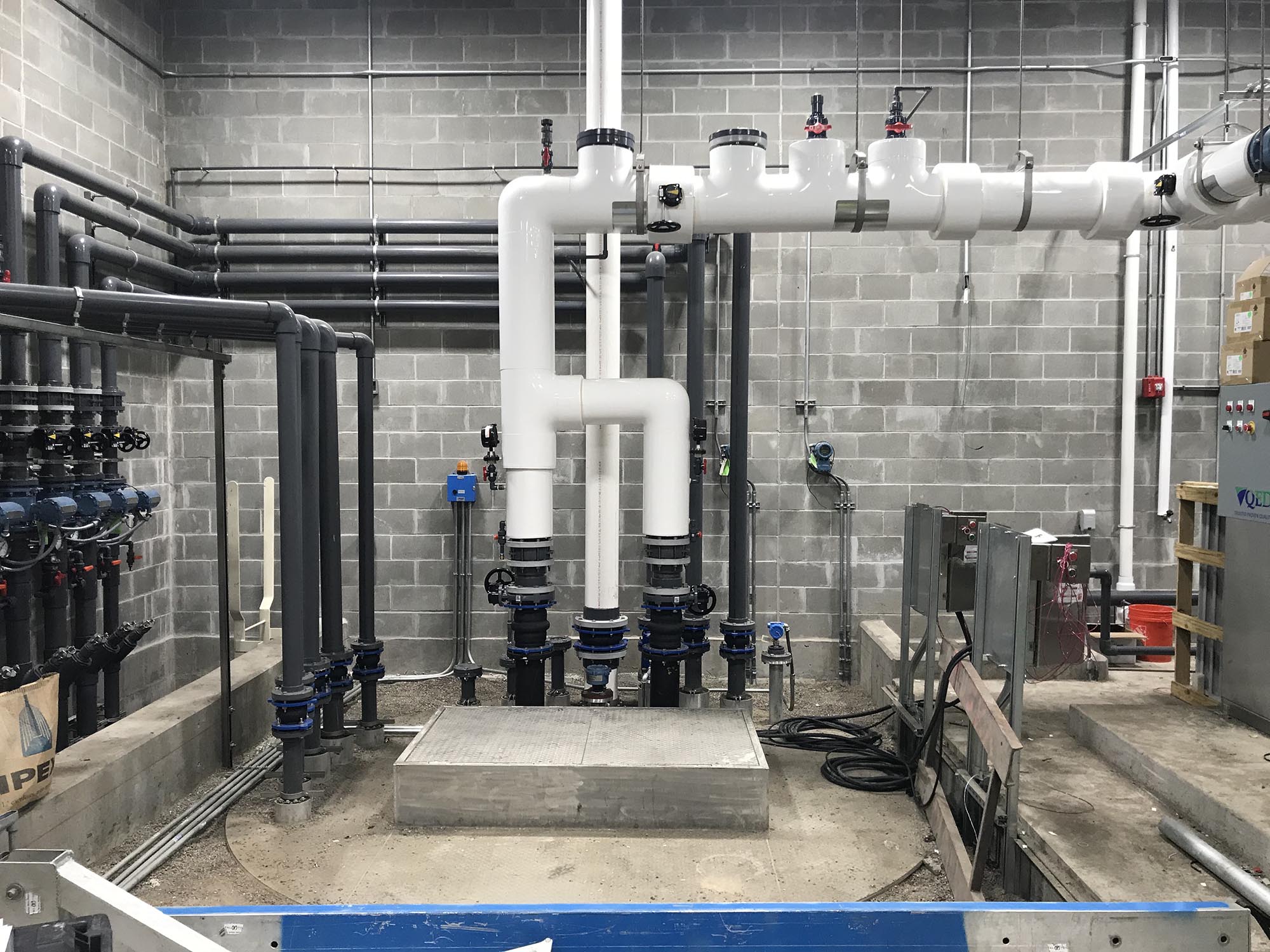
A stormwater lift station becomes essential. The systems are built to capture and move stormwater away from areas in which the runoff naturally builds up, helping protect roads, buildings and utilities as well as outdoor areas. A lift station is necessary for every type of project that is either municipal, commercial, residential or industrial. It can keep the site functioning in the aftermath of a storm.
Stormwater management has to be designed around the actual location
Each property manages the runoff differently. Retail parks with big parking lots behave differently than residential subdivisions, and do not have the same needs as industrial sites or municipal drainage projects. Stormwater management systems are constructed based on a variety of elements, including flows, elevations of the site, detention needs and discharge conditions.
Romtec Utilities is not a company that approaches stormwater pumps in a standard manner. Every system is developed in accordance with the pumping requirements of the site which includes control of flooding, emptying detention ponds or wetlands, managing runoff on a developed property or for supporting a massive municipal drainage system. The most effective solution will depend on the quantity of water that must move and how fast.
The stormwater pump station is more than just a pump that is placed in the vault
It requires more than powerful machines to create a reliable runoff pumping station. It functions as a highly coordinated system that seamlessly blends mechanical, structural, electrical and control elements to handle large stormwater volumes efficiently and effectively. For the station to operate efficiently throughout its life it is crucial that all crucial elements function in synergy. These include precise pump sizing, strategic wet-well design, advanced controls as well as durable pipes, a robust power systems monitoring in real-time, as well as resilient pipelines.
This level of total system integration is exactly why the best stromwater system designers stand out from the competition. An outstanding design does not simply address an immediate drainage issue; it requires an approach that is proactive and long-term. Top-tier engineering actively factors in the ease of maintenance in the long term, changing future site demands and maximum efficiency of operation. The whole system has to be designed to stand up to the toughest real-world conditions, and not rely on faulty assumptions.
This precise planning is vital whether you are managing massive floodwaters, or designing high-pressure municipal networks like pumps for clean water, where system failure is never an option. Romtec Utilities designs stormwater systems keeping these practical requirements in mind. The pump stations created by Romtec Utilities are suited to various applications. Owners also gain from assistance with starting up, staff training as well as documentation.
Better planning creates better flood protection
A stormwater pump station correctly designed will reduce the risk of flooding, increase site accessibility, and protect property around it from water destruction. This makes a site secure by ensuring that water runoff is handled quickly and efficiently when it rains heavily.
It’s easy to forget about stormwater infrastructure until it breaks down. If runoff needs to be controlled, a reliable stormwater lifting station is a must for a the property owner or a municipality. With the proper design and the right assistance, a solid stormwater management system can keep an area safer, more functional, and more prepared for the demands of changing weather.